Alkaline Clay Soil in Cottonwood Heights: Effects on Plumbing & Foundations
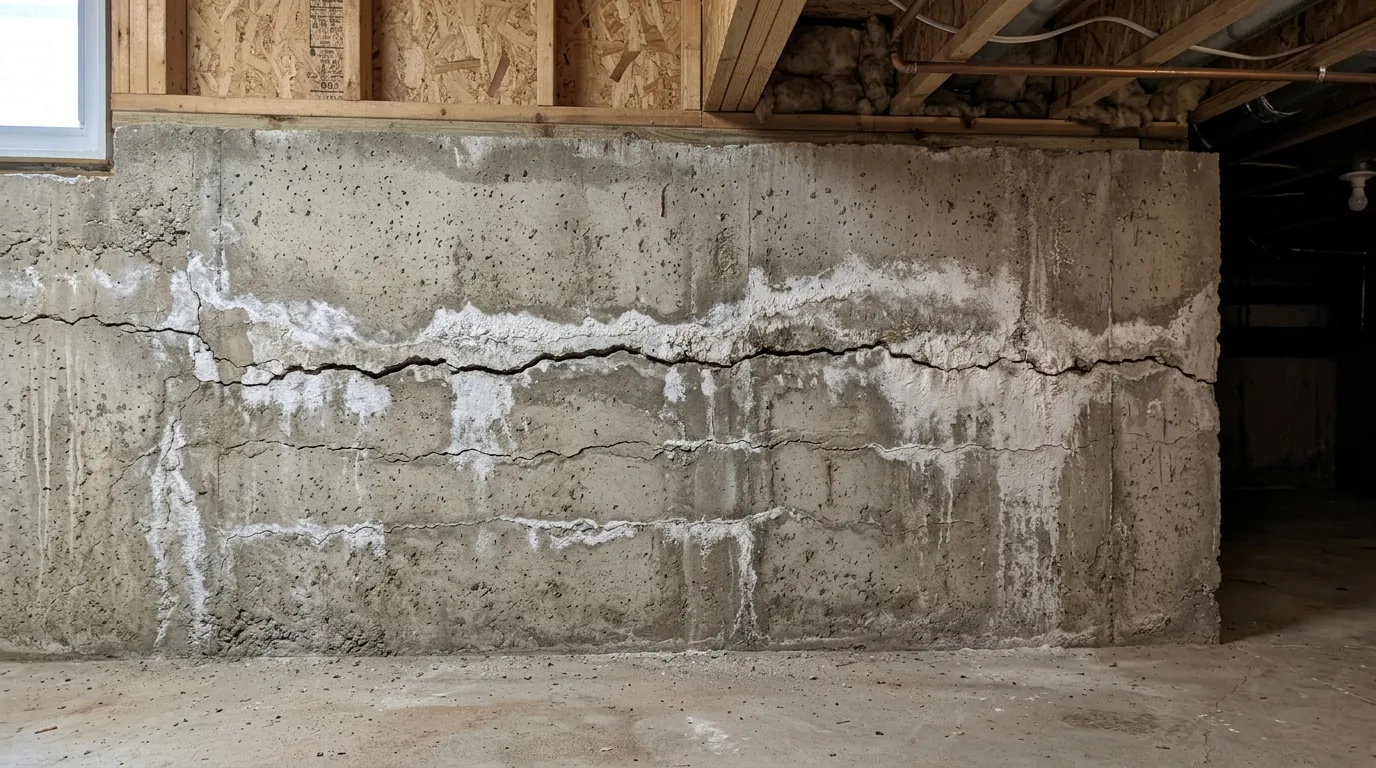
The alkaline clay soil beneath Cottonwood Heights is the most important factor most homeowners have never thought about. It affects how water drains around your foundation, how long moisture stays against your basement walls after a rain or snowmelt event, how underground plumbing ages and fails, and ultimately how likely you are to need water damage restoration services in the future. Understanding what’s under your property is a genuine competitive advantage when it comes to protecting it.
In this post, we cover how Cottonwood Heights’ specific soil composition affects plumbing systems and foundations, what failure patterns it creates, and how this knowledge should inform your maintenance priorities as a homeowner.
Soil-Related Water Damage in Cottonwood Heights?
We understand Cottonwood Heights' unique soil conditions. Call (877) 698-1311 for a professional assessment.
What Makes Cottonwood Heights’ Soil Different
Cottonwood Heights sits at the base of the Wasatch Mountains, where the geological processes that built the mountain range deposited a mix of alkaline clay and sandy soils over centuries of sediment accumulation. The alkaline clay component — which dominates much of the subsurface throughout Salt Lake County — has properties that distinguish it from the more permeable soils found in other regions.
Clay soils are characterized by extremely fine particle size and a high surface area-to-volume ratio. This means clay holds water between its particles through adhesion forces that are significantly stronger than those in sandy or loamy soils. Where a sandy soil might drain and dry within hours of saturation, a clay soil in the same conditions retains moisture for days or weeks. This is the soil-material interaction property that most directly affects water damage risk in Cottonwood Heights.
The alkaline character of the soil (high pH) also accelerates the degradation of certain pipe materials — particularly uncoated steel and cast iron — by creating a chemically reactive environment that promotes corrosion at the soil-pipe interface. Older homes throughout the Colebrook and Knudsen’s Corner neighborhoods with uncoated iron or steel underground service lines experience accelerated exterior pipe corrosion from this soil chemistry effect.
How Clay Soil Creates Water Damage Risk: The Homeowner Impact
When a Cottonwood Heights homeowner experiences a basement flooding event, the immediate crisis is the visible water. The less visible but equally consequential problem is what happens over the following weeks: the clay soil surrounding the foundation retains moisture against the foundation wall, maintaining continuous wetting pressure against any cracks or gaps. A foundation that appears dry inside within days of an extraction event may actually have sustained moisture contact on the exterior for 2–3 weeks after the event — sufficient to drive continued moisture migration through the wall material itself.
This dynamic explains a common pattern we see: homeowners who handle a flooding event themselves, believe the basement is dry after a few days, and then discover mold growing on drywall and framing 3–4 weeks later. The moisture they couldn’t measure was migrating through the wall from the clay soil side.
Professional structural drying in Cottonwood Heights accounts for this soil interaction by drying not just the interior air but the wall materials themselves to below target moisture content — using daily moisture meter readings to confirm the wall assembly has reached acceptable moisture levels, not just that the interior relative humidity has dropped.
Types of Soil-Related Plumbing Failures
Clay tile sewer lateral deterioration: Clay tile sewer laterals — installed as the standard in pre-1960s construction throughout Cottonwood Heights — are themselves made of clay material. This creates an ironic vulnerability: clay tile joints in a clay soil environment are subject to root intrusion (tree roots seek moisture at joint gaps), freeze-thaw joint separation, and gradual cracking from soil movement. These failures lead to sewage backups that require Category 3 hazmat cleanup and often prompt full lateral replacement.
Underground supply line corrosion: Galvanized steel and cast iron supply and drain lines in older Cottonwood Heights homes are subject to accelerated external corrosion where they pass through the alkaline clay soil. This external corrosion creates pinhole failures at the most chemically reactive sections of the line — often at depth, where they are not visible until they cause soil saturation or interior water intrusion.
Foundation drain (footing drain) blockage: Many older Cottonwood Heights foundations include a footing drain — a perforated pipe around the foundation perimeter designed to carry groundwater away from the structure to daylight or a sump pit. In clay soil, these drains eventually become clogged with fine particles and are no longer functional. A clogged footing drain converts a managed drainage system into a full hydrostatic pressure situation against the foundation wall.
Soil-Related Water Damage Assessment
Cottonwood Heights Water Damage Restoration understands your property's subsurface conditions. Call (877) 698-1311.
Practical Uses: What Cottonwood Heights Homeowners Can Do
Water softener installation: Cottonwood Heights’ alkaline, hard water accelerates mineral scale buildup inside supply lines, gradually reducing flow capacity. A water softener protects interior plumbing from scale accumulation, though it doesn’t address exterior corrosion of underground lines.
Root barrier installation near sewer laterals: If your property has mature trees within 20–30 feet of the sewer lateral path (extremely common in Cottonwood Heights’ established neighborhoods), chemical or physical root barriers installed along the lateral path can reduce the rate of root intrusion at joint locations.
Sewer camera inspection: A $150–$350 sewer camera inspection reveals the current condition of your underground lateral without excavation — identifying root intrusion, cracks, and offset joints before they cause a backup event. This is the single most actionable step for older Cottonwood Heights homeowners with clay tile laterals.
Improve drainage at the foundation perimeter: Regrading the soil immediately adjacent to the foundation (creating positive slope away from the structure) and ensuring downspouts discharge well away from the foundation are low-cost measures that reduce the volume of water that the clay soil accumulates against your foundation over time.
The Cost Consequence of Unaddressed Soil-Related Issues
The cost framing here is instructive: a sewer camera inspection costs $150–$350 and identifies problems before they cause a backup event. A sewage backup event requiring Category 3 cleanup in a finished Cottonwood Heights basement costs $3,000–$8,000. Similarly, regrading and drainage improvement around a foundation costs $500–$2,000; the basement flooding event that poor drainage eventually produces costs $2,000–$8,000 in extraction, drying, and reconstruction. The soil-related maintenance investments have among the best return-on-investment ratios of any home maintenance category.
Frequently Asked Questions
How does alkaline clay soil affect my Cottonwood Heights home’s water damage risk specifically?
Clay soil holds moisture against your foundation walls for weeks after any water event, extending the period when moisture migration through the wall occurs. It also creates a higher baseline groundwater table during wet seasons (spring snowmelt) and provides less natural drainage of surface water away from the foundation. These effects together increase both the frequency and severity of water intrusion events compared to homes built on more permeable soil types.
Does Cottonwood Heights’ soil affect property insurance rates?
Standard homeowners insurance doesn’t price risk by soil type. However, flood insurance pricing through NFIP does account for flood zone designation — properties in higher-risk zones pay more, and the clay soil’s drainage limitation contributes to flood risk designations in low-elevation Cottonwood Heights areas.
What’s the most important maintenance item for Cottonwood Heights homeowners given the soil conditions?
For homes with clay tile sewer laterals: a sewer camera inspection every 5 years to monitor root intrusion and joint condition. For homes with basement or crawl space foundations: annual inspection of foundation drainage and sump pump function before spring snowmelt season. These two maintenance items address the most common soil-related water damage pathways in this specific area.
Cottonwood Heights Water Damage — We Know the Local Conditions
IICRC-certified restoration that accounts for Cottonwood Heights' unique soil and climate factors. Call (877) 698-1311.
Related: