Spring Snowmelt Flooding in Cottonwood Heights: Protect Your Basement
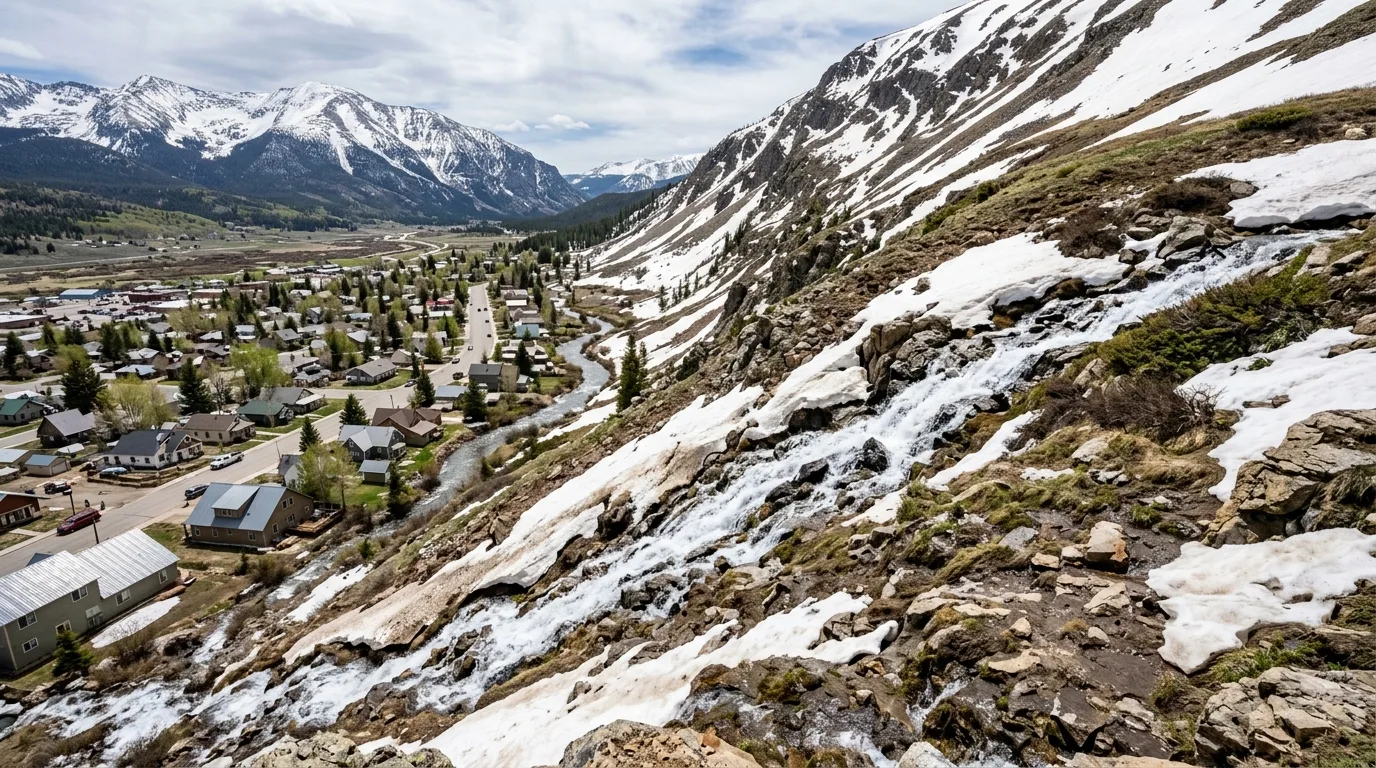
April is Cottonwood Heights’ wettest month — averaging 2.13 inches of precipitation — but that figure tells only part of the story. The real flooding risk in Cottonwood Heights comes from above: the snowmelt that pours down from the Cottonwood Canyons watershed as winter temperatures finally relent. For homeowners in the Colebrook area and at the lower elevations of the Wasatch Mountain foothills, this annual melt cycle poses a real threat to basement integrity and home value.
In this post, we cover how spring snowmelt creates flooding risk specific to Cottonwood Heights, what preventive measures reduce that risk, and what to do if your basement takes on water this spring.
Basement Flooding This Spring?
Flood damage cleanup in Cottonwood Heights, UT — call (877) 698-1311 for 24/7 emergency response.
Why Spring Snowmelt Affects Cottonwood Heights Differently Than Other Utah Cities
Most Utah cities experience some degree of snowmelt flooding pressure in spring. Cottonwood Heights experiences it more intensely than many because of its position directly below the Cottonwood Canyons — home to Alta, Brighton, Snowbird, and Solitude ski resorts — which collectively receive some of the deepest snowpack in the Wasatch Range. When warm temperatures arrive in March and April, that accumulated snow releases water volumes that funnel down through the watershed above the city and reach residential drainage systems within hours.
The alkaline clay soil that characterizes the subsurface throughout Cottonwood Heights and much of Salt Lake County compounds this pressure. Where sandy or loamy soils would absorb surface runoff and allow it to percolate downward, clay soil becomes saturated quickly and then channels water laterally along the soil surface. Instead of draining away from foundations, this water travels horizontally until it reaches a foundation wall — where it exerts hydrostatic pressure against the structure. Homes in lower-lying areas of the Brighton and Knudsen’s Corner neighborhoods, where the watershed gradient focuses runoff, are particularly exposed to this pattern.
Practical Uses: What Homeowners Can Do Before Snowmelt Season
Inspect and test your sump pump: Your sump pump is the first line of defense against basement flooding in Cottonwood Heights. Test it every February — before snowmelt begins — by pouring water directly into the pit to verify that the float triggers correctly and the pump discharges properly. Replace the pump if it’s more than 7 years old, as motor failure during peak snowmelt events is one of the most common causes of preventable basement flooding.
Clear gutters and extend downspouts: Clogged gutters during snowmelt concentrate water at the foundation perimeter rather than routing it away from the structure. Clean gutters in late February or early March, before melt begins. Downspout extensions should discharge at least 6 feet from the foundation — and ideally onto ground that slopes away from the house, not toward it.
Check window well drains: Basement window wells that lack properly functioning drains become collection points during heavy snowmelt, and overflow into the window frame is a common entry point for basement water intrusion in the Butlerville and Brighton neighborhoods. Verify that window well drains are clear and properly connected to the drain system or to ground that slopes away from the foundation.
Grade the soil around the foundation: The ground immediately adjacent to your foundation should slope away from the house at a minimum of 1 inch per foot for the first 6 feet. Settled soil that has created a bowl around the foundation concentrates water exactly where you don’t want it. Regrading with compacted soil is a low-cost preventive measure with significant flood risk reduction value.
Consider a backflow prevention valve: For homes that have experienced municipal sewer surcharges during snowmelt events, installing a backflow prevention valve on the sewer lateral prevents sewage from entering through floor drains when the city sewer system is at or beyond capacity. This is a plumbing project worth considering before the next spring season.
How Spring Snowmelt Floods a Basement: The Process
Understanding the mechanism helps you identify where your specific home is vulnerable. During a significant snowmelt event, water enters the watershed above Cottonwood Heights and moves downhill through surface channels, subsurface drainage, and soil migration. At the residential level, this manifests as elevated groundwater tables, increased surface runoff, and higher-than-normal hydrostatic pressure against foundations.
Water enters Cottonwood Heights basements through several pathways: cracks in poured concrete foundation walls, mortar joint failures in concrete block walls, window well overflow, floor drain backflow, and sump pit overflow when pump capacity is exceeded by inflow rate. A basement that shows no signs of moisture in summer can flood significantly during a major snowmelt event simply because the groundwater table rises temporarily above the basement floor elevation.
Flood Damage Cleanup in Cottonwood Heights
Our team handles snowmelt flooding from extraction through reconstruction. Call (877) 698-1311.
What to Do When Your Basement Floods
If your Cottonwood Heights basement floods during spring snowmelt, the first priority is safety: turn off electrical power to the basement before entering if there is any standing water near electrical outlets, panels, or appliances. Do not enter standing water without confirming that the electrical system is de-energized.
Once safe, call for professional flood damage cleanup immediately. The 24–48 hour window after a flooding event is the window where professional water extraction prevents mold establishment and minimizes structural drying requirements. Every hour of delay extends the drying timeline and increases total restoration cost. Document the flooding with photos and video before any cleanup begins — your insurance adjuster will need this evidence.
The Cost of Delayed Response vs. Immediate Cleanup
Homeowners who call for professional flood damage cleanup within hours of a basement flooding event consistently see lower total costs than those who wait a day or two to assess the situation. In Cottonwood Heights, a basement flood caught immediately and addressed with professional extraction and structural drying typically costs $1,500–$4,000. The same event with a 48-hour delay that allows mold to establish in drywall and insulation often runs $5,000–$12,000 because of the mold remediation added on top of the flood cleanup. The math on calling immediately is clear.
Frequently Asked Questions
How do I know if my Cottonwood Heights basement is at risk for snowmelt flooding?
Homes with a history of basement moisture — efflorescence on foundation walls, musty smells after winter, or prior water entry events — are at elevated risk. Homes in the Colebrook area and other lower-elevation neighborhoods in the Cottonwood Heights watershed are structurally more exposed to snowmelt-driven groundwater intrusion than higher-elevation properties. A professional foundation drainage assessment before spring can identify specific vulnerabilities.
Does homeowners insurance cover snowmelt basement flooding in Cottonwood Heights?
Standard homeowners insurance typically does not cover basement flooding caused by external water entry (groundwater, runoff, surface water). This type of flooding is considered “flood damage” and requires a separate flood insurance policy through NFIP or a private flood insurer. Sudden internal events — like a burst pipe — are typically covered. Review your policy before spring and consider adding flood coverage if your property is in a low-elevation area.
When should I schedule spring flood preparedness inspection in Cottonwood Heights?
February is the ideal window — before snowmelt begins in earnest. A February inspection gives you time to address any identified issues (sump pump replacement, window well drain cleaning, soil regrading) before the March–April peak risk period. For homes that flooded in a previous spring, a post-melt inspection in May can identify what entry points to address before the next season.
Don't Wait for Flooding — Prepare Now
Cottonwood Heights Water Damage Restoration handles flood cleanup and preventive drainage consultations. Call (877) 698-1311.
Related: