How to File a Water Damage Insurance Claim in Utah: Step-by-Step
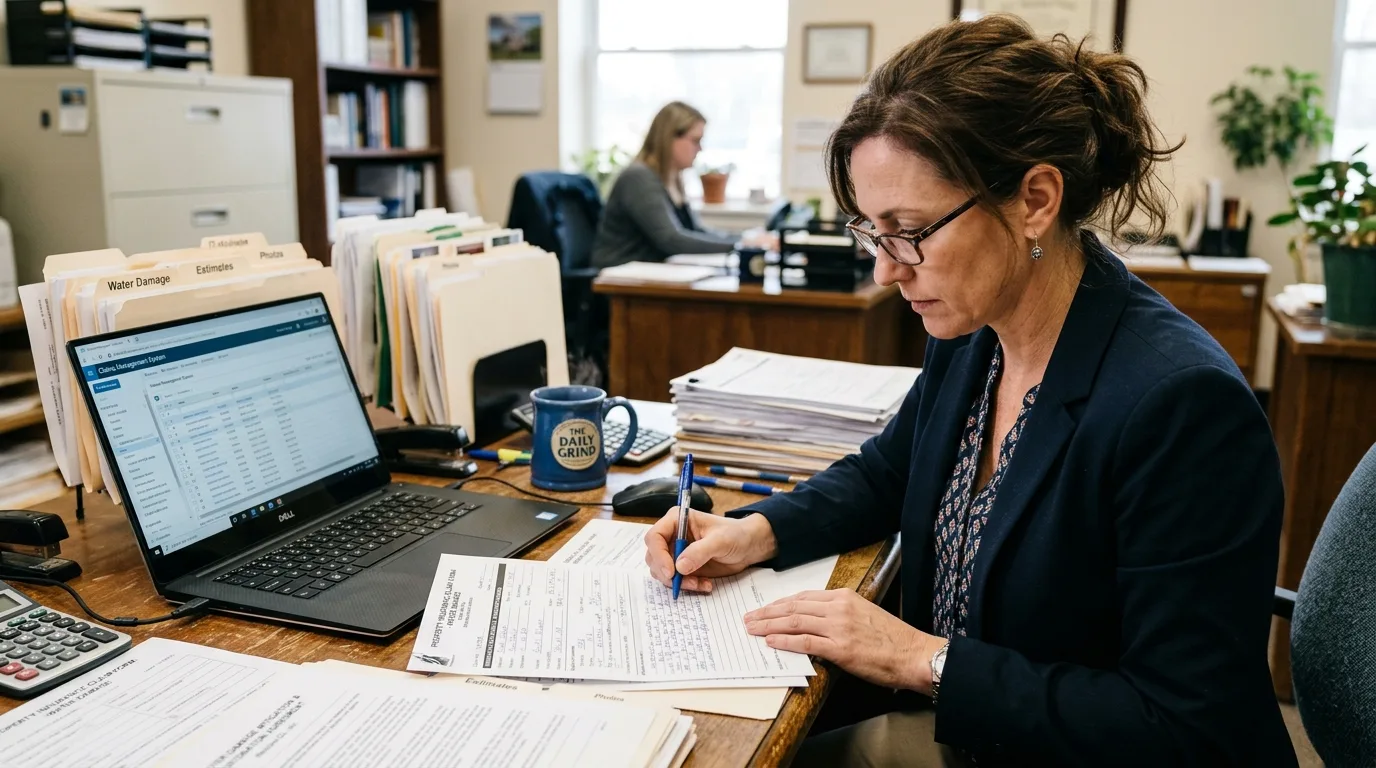
Filing a water damage insurance claim in Utah isn’t complicated — but the mistakes homeowners make in the first few hours after a water event are the ones that cause claims to be disputed, reduced, or denied. This guide walks through the complete claim process step by step, from the moment you discover water damage through final settlement, with specific attention to what Utah insurers look for and how to give your claim the best possible outcome.
In this post, we cover the step-by-step claim process, the most common claim mistakes, how documentation affects settlement, and how to work with a restoration company that simplifies the insurance process.
Need Help With an Insurance Claim in Cottonwood Heights?
We work directly with all major Utah insurance carriers. Call (877) 698-1311.
Step 1: Secure the Property and Stop the Water Source
Before doing anything else, stop the source of water if possible. For a burst pipe, shut off the main water supply valve. For an appliance overflow, turn off the appliance and disconnect power if water has reached electrical components. For a storm entry, cover the opening with a tarp if it’s safe to do so.
Safety first: if standing water has reached any electrical outlets, panels, or appliances, turn off electrical power to the affected area at the breaker panel before entering. Never enter standing water near energized electrical systems.
Step 2: Document Everything Before Cleanup Begins
This step is the most important and the one homeowners most often rush through in the urgency of the moment. Your insurance claim settlement depends on the evidence you capture before anything is moved, dried, or discarded.
What to document:
- Photograph and video every affected room from multiple angles, including the source of water entry
- Capture standing water depth (a ruler or tape measure in the photo helps)
- Document all affected materials: flooring, walls, ceilings, personal property, appliances
- Photograph any damaged structural elements visible (cracked pipes, damaged wall framing)
- Note the date and time you discovered the damage
Do not remove any damaged materials before documentation is complete and your insurance adjuster has either inspected or confirmed that photos are sufficient. Prematurely discarding damaged materials can reduce your settlement because the adjuster cannot verify the scope of damage.
Step 3: Report the Claim Promptly
Most Utah homeowners insurance policies require “prompt notice” of loss — typically within a few days of discovery. Late notice can give the insurer grounds to dispute coverage. Call your insurer’s claims line on the same day you discover significant water damage. You will be assigned a claim number and a claims adjuster.
When reporting, describe the event as specifically as possible: “a frozen pipe burst in the exterior wall of the master bedroom, discovered at 7am on [date], with approximately 200 square feet of flooring and two walls affected.” Specific, factual descriptions create a clear record of what was reported and when.
Step 4: Begin Emergency Mitigation — Don’t Wait for the Adjuster
Insurance policies in Utah include a duty to mitigate provision — you are required to take reasonable steps to prevent further damage after a covered loss. Waiting 3–5 days for an adjuster visit before beginning water extraction is not reasonable mitigation and can reduce your claim recovery by giving the insurer grounds to argue that the additional damage (mold growth, extended saturation) was caused by your inaction, not the original event.
Begin emergency extraction and drying as soon as possible. Professional restoration companies — including ours — will contact your insurance company on your behalf, coordinate the adjuster visit, and provide documentation that supports your claim. You do not need to wait for insurer approval to begin emergency mitigation.
We Handle Insurance Coordination for Cottonwood Heights Homeowners
From claim filing to adjuster documentation — we manage the process. Call (877) 698-1311.
Step 5: Work with a Restoration Company That Documents to Insurance Standards
The quality of restoration documentation determines how smoothly your claim processes. An insurance adjuster reviewing a water damage claim looks for:
- Moisture mapping reports with instrument readings showing affected areas and saturation levels
- Daily drying logs tracking moisture content reduction over the drying period
- Equipment placement records showing industrial air movers and dehumidifiers in use
- Final clearance documentation confirming moisture levels returned to acceptable baseline
- Scope of loss summary detailing extraction, drying, demolition, and reconstruction costs
Our team provides all of these reports as standard on every Cottonwood Heights job. Insurers across Salt Lake County accept our documentation without dispute because it meets IICRC standards and provides the factual record adjusters need to approve claims.
Step 6: Review the Adjuster’s Estimate Carefully
Once the adjuster completes their inspection, you will receive a settlement estimate. Review this estimate line by line against your restoration company’s scope of work. Common underestimates include:
- Missing line items for materials that need removal and replacement
- Lower-than-current labor rates (adjusters sometimes use outdated labor cost databases)
- Underestimated square footage of affected areas
- Missing allowances for permit costs (required in Cottonwood Heights for reconstruction)
- Insufficient drying equipment allowances
You have the right to dispute the estimate and request re-inspection. If the dispute is significant, engaging a public adjuster — an independent claims professional who represents your interests, not the insurer’s — may be warranted for large claims. Public adjusters typically work on contingency (10–15% of the settlement increase they secure).
Step 7: Understand the Actual Cash Value vs. Replacement Cost Distinction
Utah homeowners policies are typically written as either Actual Cash Value (ACV) or Replacement Cost Value (RCV) policies. ACV policies pay the depreciated value of damaged items — a 10-year-old carpet gets ACV based on remaining life, not replacement cost. RCV policies pay the full replacement cost of damaged items with like kind and quality materials. If your policy is ACV, you will likely receive a lower initial payment and then a “recoverable depreciation” payment after reconstruction is completed.
Review your policy declarations page to understand which type you have before evaluating a settlement offer.
Frequently Asked Questions
How long does a water damage insurance claim take to settle in Utah?
Simple, undisputed claims with clear documentation typically settle in 2–4 weeks. Disputed claims or large structural losses can take 4–12 weeks or more. The fastest path to settlement is thorough documentation and prompt notice — both of which reduce dispute opportunities.
Can my insurance company deny my water damage claim in Cottonwood Heights?
Yes, under several conditions: if the damage was gradual and preventable (slow leak known for months), if it resulted from external flooding without flood insurance, if the policy exclusions apply (sewer backup without endorsement), or if notice was unreasonably delayed. The most common denial scenario for Cottonwood Heights homeowners is attempting to claim external snowmelt flooding under a standard policy that excludes flood damage.
Should I use the insurance company’s preferred contractor for water damage restoration?
You have the right to choose your own restoration contractor — you are not required to use an insurer’s preferred vendor. Using your own contractor allows you to select based on quality, IICRC certification, and documentation capability rather than cost-control relationships. Your chosen contractor must document the work to insurance standards to support your claim.
Water Damage Insurance Claim Help in Cottonwood Heights
We coordinate directly with your insurer. Call (877) 698-1311 to start the claim process.
Related: