Old Mill Neighborhood: Historic Homes and Water Damage Prevention
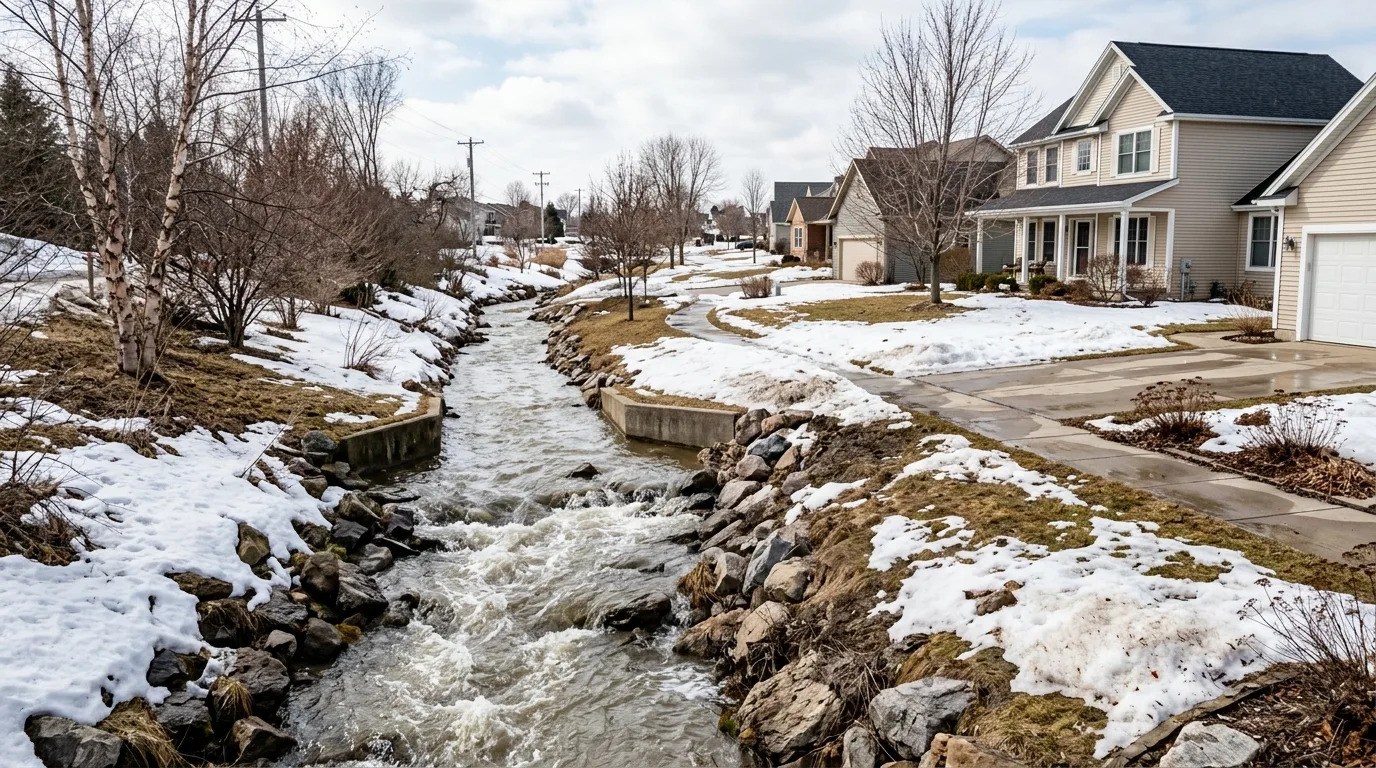
The Old Mill neighborhood in Cottonwood Heights is one of the city’s most historically significant areas — named for the Cottonwood Paper Mill that operated near Spencer’s Pond beginning in the 1880s, making it one of the earliest industrial sites in the Salt Lake Valley. Today, Old Mill Park preserves this heritage while the neighborhood around it houses properties that span decades of construction, from mid-century homes to more recent builds. That range of construction eras creates a corresponding range of water damage risks that property owners in this area should understand.
In this post, we cover the water damage prevention considerations specific to Old Mill and neighboring older Cottonwood Heights neighborhoods, what infrastructure risks older homes carry, and what maintenance steps reduce the most common causes of water damage events.
Water Damage in Cottonwood Heights' Older Neighborhoods?
We serve Old Mill, Colebrook, and every part of Cottonwood Heights. Call (877) 698-1311.
Why Historic Construction Creates Higher Water Damage Risk
Homes built in the 1950s, 1960s, and 1970s were constructed to the building standards of those decades — which differ significantly from today’s practices in ways directly relevant to water damage prevention. Understanding these differences helps current property owners identify which systems to prioritize for inspection and potential upgrade.
Foundation waterproofing: Mid-century and older foundations relied on tar or asphalt-based coatings applied directly to the exterior of the foundation wall during construction. These coatings, where they exist at all, have typically degraded or cracked after 50–70 years of soil movement and freeze-thaw cycling. Modern drainage board systems and waterproofing membranes that are standard in contemporary construction were not part of older construction practice. As a result, older foundations in the Old Mill area allow more moisture intrusion through the wall material itself — even without a visible crack — through a process called capillary absorption.
Supply line materials: Galvanized steel supply lines, which were standard residential plumbing through the mid-1960s, have an expected service life of 40–70 years — meaning many Old Mill area properties are now approaching or past the age where galvanized line replacement is indicated. Galvanized steel develops internal corrosion that gradually reduces flow capacity and eventually leads to pinhole leaks. Homes with original galvanized supply plumbing should have the lines assessed by a licensed plumber for remaining service life.
Sewer laterals: Clay tile sewer laterals installed in older Cottonwood Heights properties are among the most common sources of sewage backup and water damage events we handle in this area. Clay tile joints are susceptible to root intrusion and freeze-thaw separation. A sewer camera inspection can identify the condition of your lateral without excavation.
Practical Uses: Water Damage Prevention for Old Mill Properties
Schedule a plumbing system assessment: For any Old Mill or older Cottonwood Heights home, a plumbing system professional assessment that identifies the age and material of supply lines, drain lines, and the sewer lateral is a high-value preventive investment. The assessment typically costs $100–$300 and identifies systems approaching end of service life before they fail.
Inspect and improve foundation drainage: Walk the perimeter of the foundation with a flashlight after a rain event. Look for areas where water pools adjacent to the foundation rather than draining away. Any ponding within 6 feet of the foundation indicates a drainage issue that increases moisture intrusion risk.
Add interior drainage if exterior waterproofing is impractical: For older foundations where exterior waterproofing repair is cost-prohibitive (requiring full excavation around the perimeter), interior drainage systems (interior weeping tile connected to a sump pit) can manage groundwater intrusion effectively without exterior excavation.
Check for evidence of previous water events: Look for efflorescence (white mineral deposits) on interior foundation walls, musty odors, and any previous patching attempts in the basement. These are indicators of prior moisture history that may recur.
Older Home? Get a Free Water Damage Risk Assessment.
We assess older Cottonwood Heights homes for water damage vulnerabilities. Call (877) 698-1311.
Types of Water Damage Common in Old Mill Area Properties
Basement seepage from wall absorption: Not all basement water intrusion comes through cracks. Older block and poured concrete foundations without effective exterior waterproofing absorb moisture from the surrounding clay soil and transmit it to the interior surface through capillary action. The result is chronically damp walls, efflorescence, and elevated basement humidity — conditions that support mold growth even without standing water.
Galvanized pipe pinhole leaks: A galvanized supply line developing its first pinhole leak is the most common hidden water damage source we find in older Cottonwood Heights properties. These leaks are small enough to absorb into surrounding materials without creating visible standing water, but they maintain constant moisture in wall cavities, driving mold growth and wood deterioration that can persist for months before discovery.
Sewage backup from clay lateral failure: Clay tile sewer lateral failure creates sewage backup events that require Category 3 hazmat cleanup — the most complex and expensive type of water damage event. For Old Mill area properties still served by original clay laterals, proactive camera inspection and lateral replacement is significantly less expensive than the cleanup and reconstruction following a backup event.
Process: Addressing Identified Water Damage in Older Properties
When older Cottonwood Heights properties do experience water damage events, the restoration process often reveals previously unknown issues: mold behind previously wet walls that were patched rather than dried, corroded structural fasteners in areas of chronic moisture, and degraded insulation that has lost thermal and moisture-management value. Our restoration process in older homes accounts for these secondary findings by including a full moisture mapping assessment before any reconstruction work begins — ensuring that reconstruction rebuilds on a dry, stable substrate rather than sealing over existing moisture problems.
Cottonwood Heights building permits are required for reconstruction work following water damage in older homes just as in newer construction — and in some cases, older homes may trigger code compliance review when permits are pulled for significant reconstruction. We advise on permit scope and support the application process so older-home restoration proceeds smoothly.
Frequently Asked Questions
How do I know if my Old Mill neighborhood home needs plumbing upgrades?
Signs that indicate aging plumbing needing assessment: discolored water (yellow or brown tint, especially after extended non-use), reduced flow at fixtures, visible corrosion on exposed pipe sections, musty odors in walls near supply lines, or a history of pinhole leaks. A licensed plumber can assess your specific system and advise on remaining service life.
Does water damage from old pipes look different than other water damage?
Galvanized pipe pinhole leaks create a characteristic pattern: small staining on drywall near the pipe path, gradually expanding over weeks or months, often with mineral deposits visible around the leak point. This pattern differs from the sudden, large-volume discharge of a burst pipe. In older homes, this slow leak pattern is more common than the dramatic events that create obvious standing water.
How does water damage restoration differ for older Cottonwood Heights homes?
The restoration process itself follows IICRC standards regardless of home age. The difference is in what’s found during the process: older homes more frequently have secondary issues (hidden mold from past events, corroded structural elements) that younger construction doesn’t. Our assessments in older Cottonwood Heights properties are more thorough to account for these possibilities.
Old Mill Area Water Damage Restoration
Serving Cottonwood Heights' historic and mid-century neighborhoods with IICRC-certified restoration. Call (877) 698-1311.
Related: