Living Near Big Cottonwood Canyon: Water Damage Risks for Homeowners
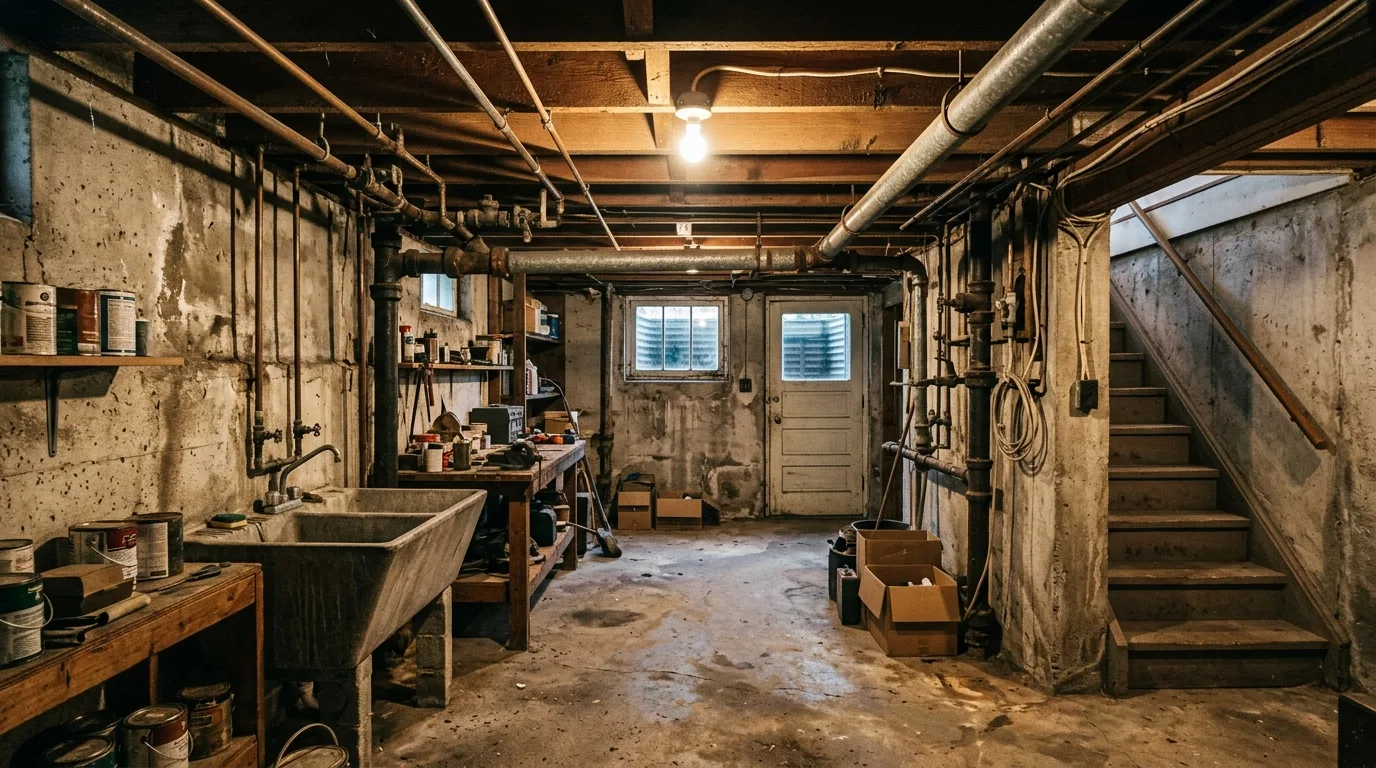
Proximity to Big Cottonwood Canyon is one of the defining features of Cottonwood Heights living — the 4 ski resorts above the city, the Big Cottonwood Trail along the creek corridor, and access to Bells Canyon Lower Falls make this community genuinely unique in the Salt Lake Valley. But that same mountain proximity creates water damage risks that homeowners in lower-elevation Salt Lake County communities simply don’t face. Understanding these risks is the first step to managing them effectively.
In this post, we cover the specific water damage risks created by canyon proximity, how the watershed above Cottonwood Heights affects residential properties below, and what homeowners near the canyon entrance can do to protect their properties.
Water Damage Near the Canyon?
Cottonwood Heights Water Damage Restoration — 24/7 emergency response. Call (877) 698-1311.
How the Big Cottonwood Canyon Watershed Affects Residential Properties
Big Cottonwood Creek runs through the heart of Cottonwood Heights on its way from the Wasatch Mountains to the valley floor. The watershed that drains into this creek extends up to the ridgeline above the ski resorts — collecting snowmelt and rain across thousands of acres before funneling it through the canyon and into the residential drainage systems below.
The practical effect for Cottonwood Heights homeowners is that the water volume moving through the creek and its tributary drainage channels during spring snowmelt is significantly larger than the local precipitation data alone would suggest. A 1-inch rain event on the Cottonwood Heights valley floor might create modest drainage challenges; the same event in combination with active snowmelt from the canyon’s 107 annual inches of snowpack creates a fundamentally different water volume problem for the drainage infrastructure below.
Water damage restoration calls in Cottonwood Heights increase dramatically during peak snowmelt events — typically late March through early May — when warm temperatures trigger rapid snowmelt from the canyon’s accumulated snowpack. Properties in the Brighton neighborhood and along the creek corridor receive the most direct runoff from these events.
Vacation Homes and Second Properties: The Hidden Water Damage Risk
One water damage risk unique to Cottonwood Heights — and not adequately addressed by any competitor service — is the vacation home and second-property risk. Because Cottonwood Heights is the gateway to Alta, Brighton, Snowbird, and Solitude, a significant portion of the housing stock is owned by part-time residents who are at the property primarily in ski season (winter) but absent for extended periods in the off-season.
This ownership pattern creates a specific freeze-thaw pipe burst scenario: the property is occupied and heated in winter (when freeze-thaw stress is highest), but the owner may be absent for days or weeks at a time. A pipe that bursts during an owner’s absence can discharge for days before discovery — creating catastrophic water damage that would have been minor if caught within an hour.
For full-time residents, absence during cold periods is also common — people who travel for holidays or extended weekends can return to significant pipe burst events. Maintaining a minimum home temperature of 55°F, installing automatic water shutoff sensors, and having a trusted local contact who can check the property during extended absences are the most effective preventive measures.
Vacation or Second Home Near the Canyon?
Protect your Cottonwood Heights property. Call (877) 698-1311 for a preventive assessment.
Practical Uses: Canyon-Adjacent Water Damage Preparation
Install a water leak detection system: Smart water detectors near supply lines, under appliances, and in mechanical rooms send smartphone alerts when moisture is detected — allowing you to address a pipe failure remotely or dispatch help before a minor leak becomes a major water event. These devices cost $30–$150 and can save tens of thousands in restoration costs for homes that are intermittently unoccupied.
Install an automatic water shutoff valve: Whole-home automatic water shutoff valves (like Flo by Moen or Phyn) detect abnormal flow patterns that indicate a leak or burst pipe and automatically shut off the main water supply. For canyon-adjacent vacation properties in Cottonwood Heights, this is arguably the single most cost-effective protective investment available.
Verify flood insurance coverage: Standard homeowners insurance typically doesn’t cover external flooding from canyon runoff or creek overflow. Homeowners in the lower-elevation areas near the creek corridor in Cottonwood Heights should review their flood zone designation with their insurance agent and consider NFIP or private flood insurance for comprehensive coverage.
Service irrigation systems before winter: Properties with in-ground irrigation systems should have them professionally blown out and backflow preventers insulated or removed before the first freeze each fall. Irrigation system freeze damage is among the more common fall water damage calls we receive from canyon-area properties in Cottonwood Heights.
The Creek Corridor and Drainage Infrastructure
The Big Cottonwood Trail corridor that runs along the creek through the city provides recreational access and flood plain management — but properties near the creek are in the most direct path of elevated water volumes during peak runoff events. While the city has infrastructure in place to manage normal flow, significant snowmelt years can push flows beyond the designed capacity of residential drainage channels.
Homeowners in the immediate creek corridor should pay particular attention to yard drainage design — ensuring that surface water has a clear path away from the foundation toward the creek corridor drainage system rather than accumulating against the structure.
Process: What Happens During a Canyon Runoff Water Event
During a significant canyon runoff event in spring, multiple water sources arrive simultaneously at residential properties in Cottonwood Heights: precipitation from the current storm, snowmelt from the canyon above, and a rising groundwater table as the local soil reaches saturation. The interaction of these three sources is what makes canyon-adjacent flooding different from a simple rainfall event — and why sump pump capacity, foundation drainage design, and yard grading all matter simultaneously rather than individually.
Our team stages additional equipment and crews specifically for the March–May snowmelt window, because the call volume during peak events requires pre-positioned resources rather than reactive response. If you live in the canyon corridor of Cottonwood Heights and have experienced basement flooding in a previous spring, call us in February for a drainage consultation before the next melt season.
Frequently Asked Questions
Does proximity to Big Cottonwood Canyon increase my water damage risk?
Yes — properties closer to the canyon entrance and creek corridor receive elevated runoff volumes during spring snowmelt that properties farther from the watershed do not experience. This translates to higher flooding risk during March–May events and generally higher groundwater table elevation during wet periods. Flood insurance is particularly relevant for properties near the creek corridor.
What should I do if I own a vacation home near the Cottonwood Canyons?
Install water leak detectors and ideally an automatic shutoff valve to minimize damage during your absence. Maintain a minimum indoor temperature of 55°F when the property is unoccupied. Have a trusted local contact who can check the property during extended absences and call restoration services if needed. Verify that your insurance covers the property for both pipe-source and flood-source water events.
How much does water damage cleanup cost after a canyon runoff flooding event?
Canyon runoff flooding is typically classified as flood damage — external water entry — which costs $4–$7 per square foot for gray water cleanup (groundwater, not sewage) up to $1,361–$6,270 for room-scale events and more for structural losses. Standard homeowners insurance typically excludes external flooding, so flood insurance is critical for canyon-adjacent properties.
Canyon Area Property? Protect It Year-Round.
Cottonwood Heights Water Damage Restoration provides preventive consultations and 24/7 emergency response. Call (877) 698-1311.
Related: